
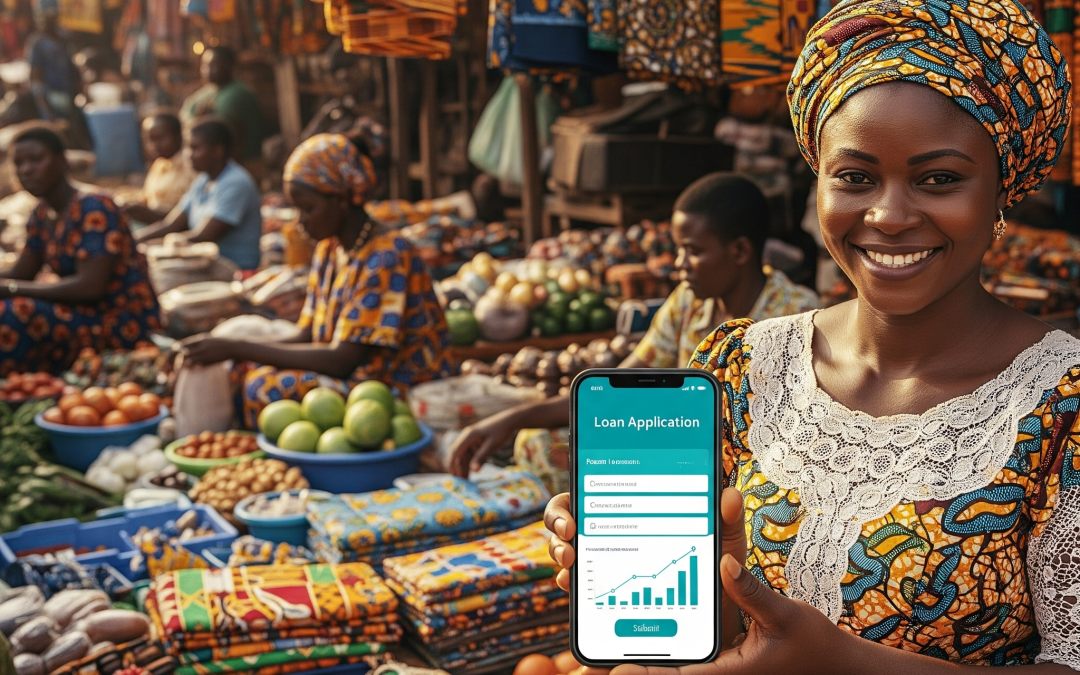
Small loans, particularly through microfinance institutions, are a vital lifeline for entrepreneurs in Ghana, transforming small-scale businesses into sustainable ventures and driving economic growth. By providing access to capital, these loans are helping to alleviate poverty, empower women, and create jobs in both urban and rural communities.
The Power of Microfinance 💰
In Ghana, the formal banking sector often requires collateral and a strong credit history, making it difficult for many small and medium-sized enterprises (SMEs) to secure traditional loans. This is where microfinance comes in. Microfinance institutions (MFIs) provide small loans, savings, and other financial services to low-income individuals and communities who are often excluded from conventional banking.
These loans, though small in size, provide the initial push that many aspiring entrepreneurs need. They allow people to start a business, purchase essential equipment or inventory, and expand their operations. The loans are often characterized by simple application processes and a reliance on “character-based” lending, where the borrower’s trustworthiness is more important than their physical assets.
Fuelling Dreams and Creating Opportunities 🚀
The impact of these loans is evident in countless success stories across Ghana. For example, a woman selling produce in a local market can use a microloan to buy a larger stock of goods, increasing her daily profit. A seamstress can purchase a new sewing machine, allowing her to take on more orders and hire an apprentice. These individual stories aggregate to a significant impact on the national economy.
- Job Creation: SMEs are the backbone of Ghana’s economy, accounting for a large percentage of employment. By enabling these businesses to expand, small loans directly contribute to creating jobs, reducing unemployment, and improving livelihoods.
- Poverty Reduction: Access to credit helps families increase their income, which in turn allows them to afford better nutrition, healthcare, and education for their children. This breaks the cycle of poverty and empowers entire communities.
- Women’s Empowerment: Many microfinance clients in Ghana are women. By providing them with financial independence, these loans empower women to take on leadership roles in their families and communities, boosting gender equality and economic self-sufficiency.
The Road Ahead 🛣️
While the impact of small loans is undeniable, challenges remain. High interest rates, limited loan tenures, and the need for greater financial literacy among clients are key issues that require attention. Organizations like the Microfinance and Small Loans Centre (MASLOC) are working to address these challenges by providing affordable credit and capacity-building programs.
The future of small loans in Ghana lies in leveraging technology, such as mobile banking and digital platforms, to reach more people in remote areas and streamline the loan process. With a supportive regulatory environment and continued innovation, microfinance can continue to be a powerful tool, turning small loans into big dreams and driving Ghana towards a more prosperous future.